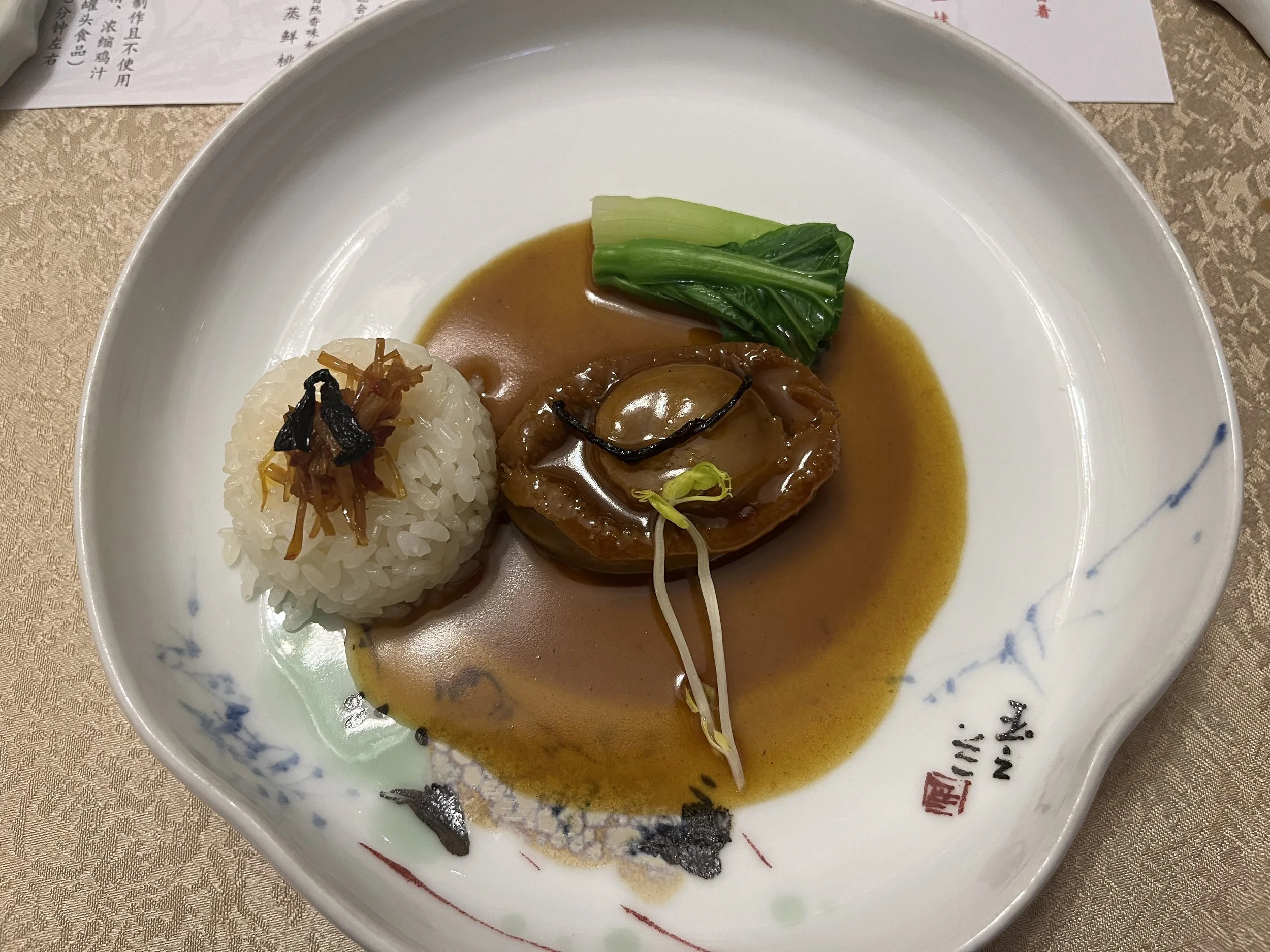
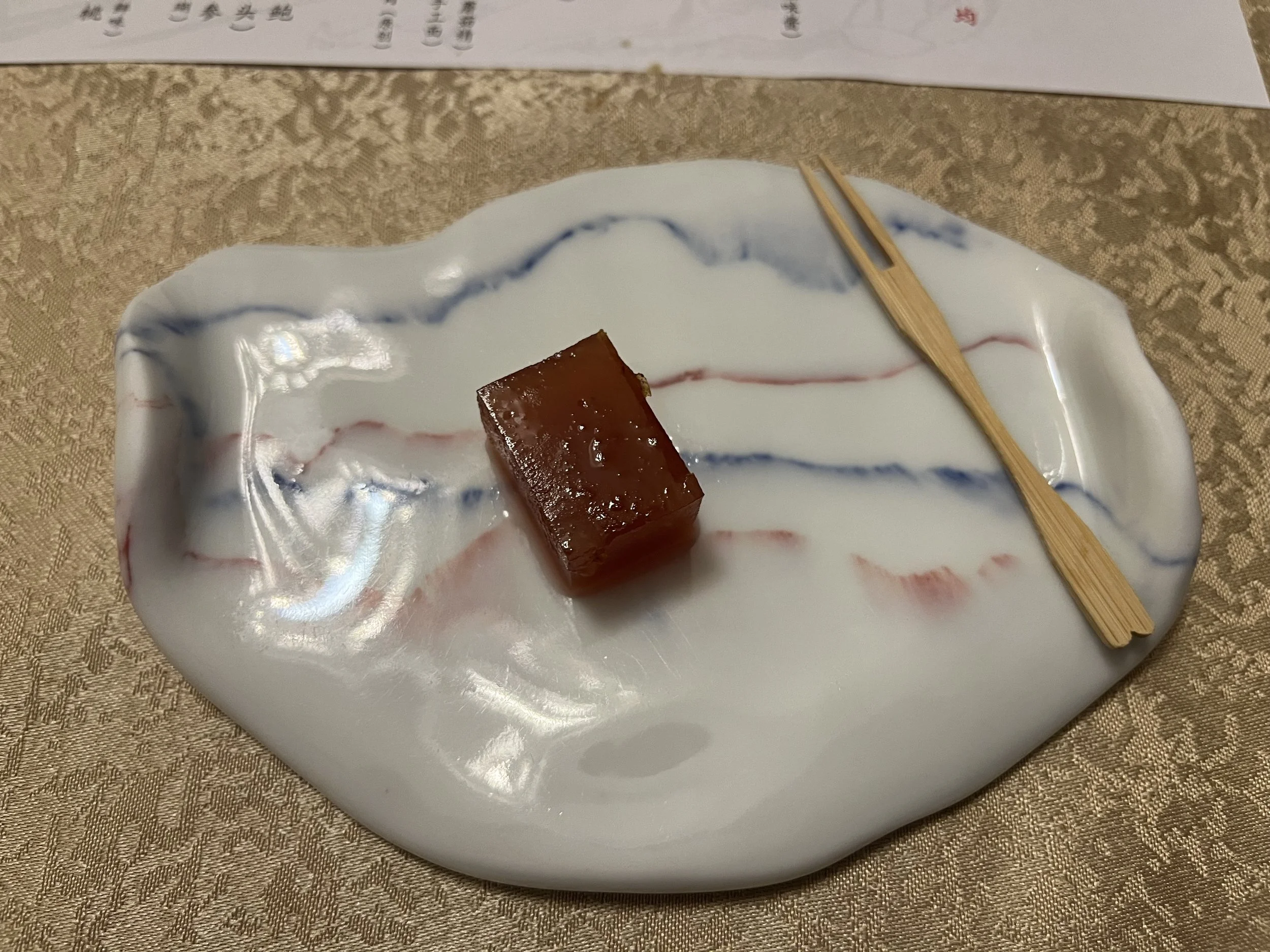
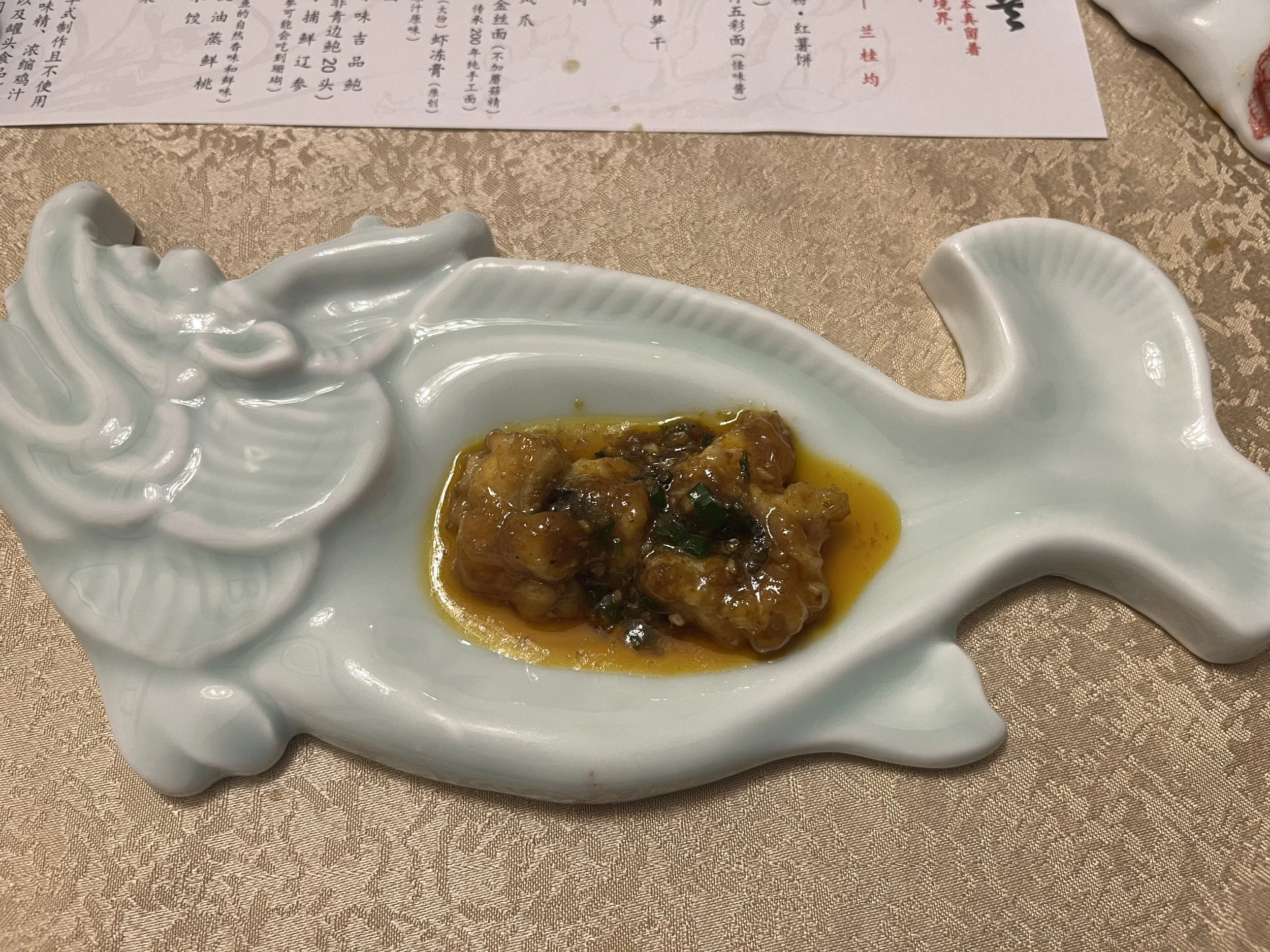
Yu Zhi Lan (玉芝兰), Chengdu
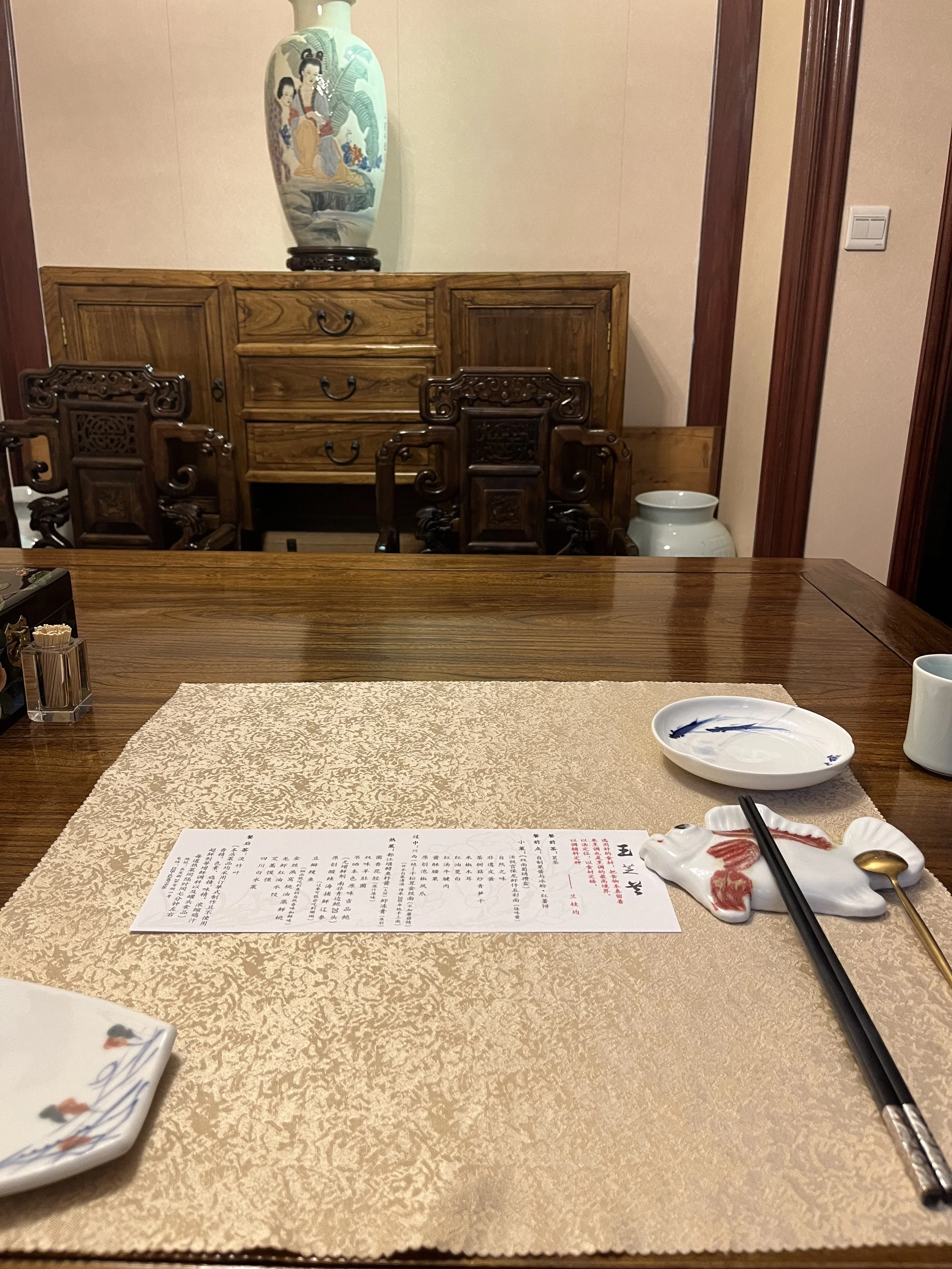
Though this was an unplanned restaurant in my trip that I just booked for a lunch a week ahead of time, it was simply stunning! Let’s rewind to the beginning. I was on a trip myself to Jiuzhai Valley National Park in Sichuan, a province in China. I made a stop in Chengdu, the capital city of Sichuan province, where the restaurant is located. In fact, I did my four-year undergraduate here, so it also reminded me the time when I was still young and beautiful. The restaurant is located in the city centre but in a quiet corner. The dining area is literally converted from a ground floor flat, which was not fancy at all. The decoration is awfully simple, boring, and I would even say, old. Because I was the only customer for the lunch, so I was offered a separate room with large table probably designed for maximum four persons. Honestly, I was not impressed at all at that point: this place is from the past. However, all the food proved that I was wrong and naive.
Table
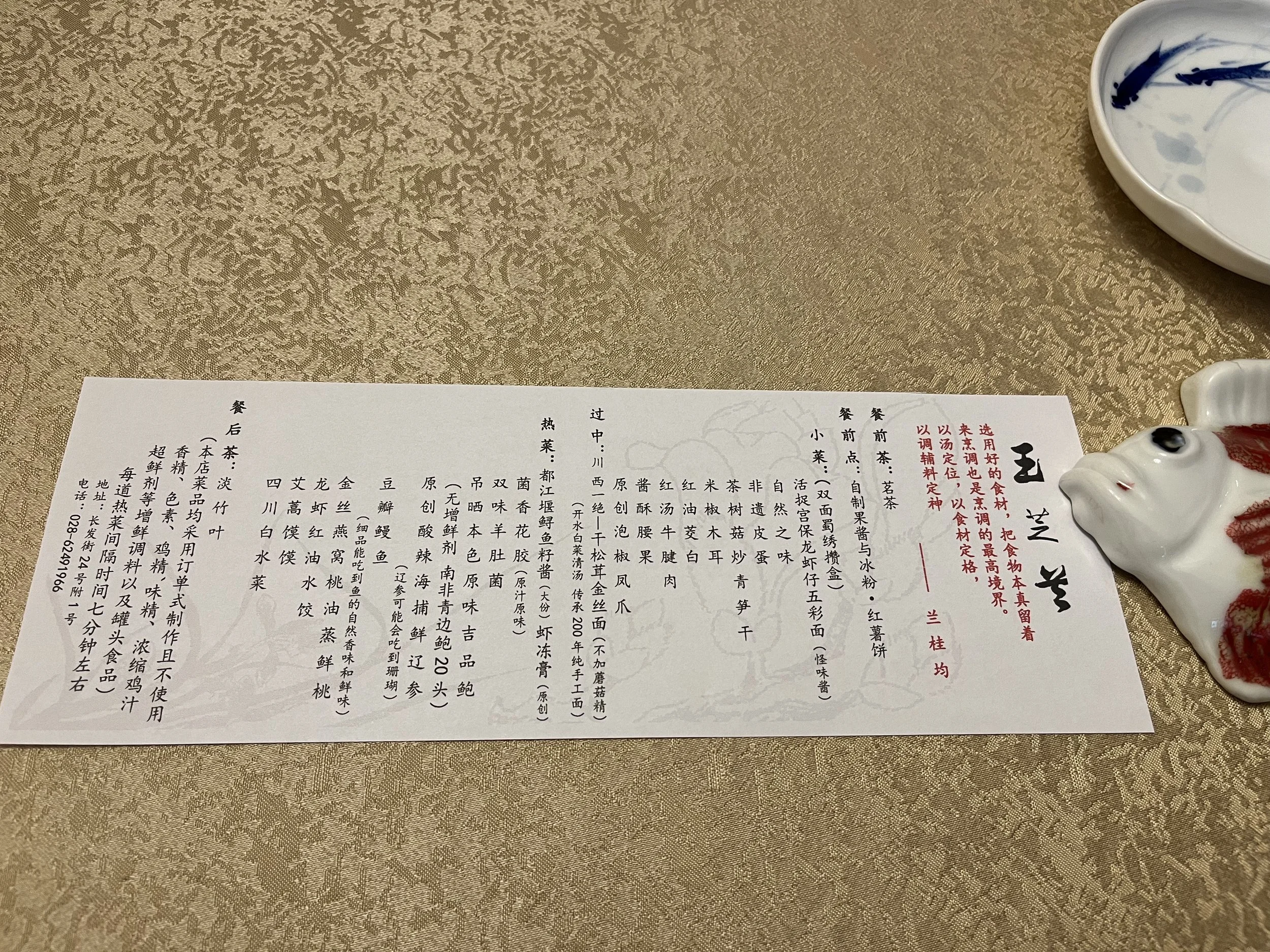
The menu is Chinese but presented in a very Chinese way. It was very interested to read as the dishes are not organised in the western way; there is no clear starter, main and dessert. However, it follows a Chinese way, that is, cold bites and hot dishes.
Menu
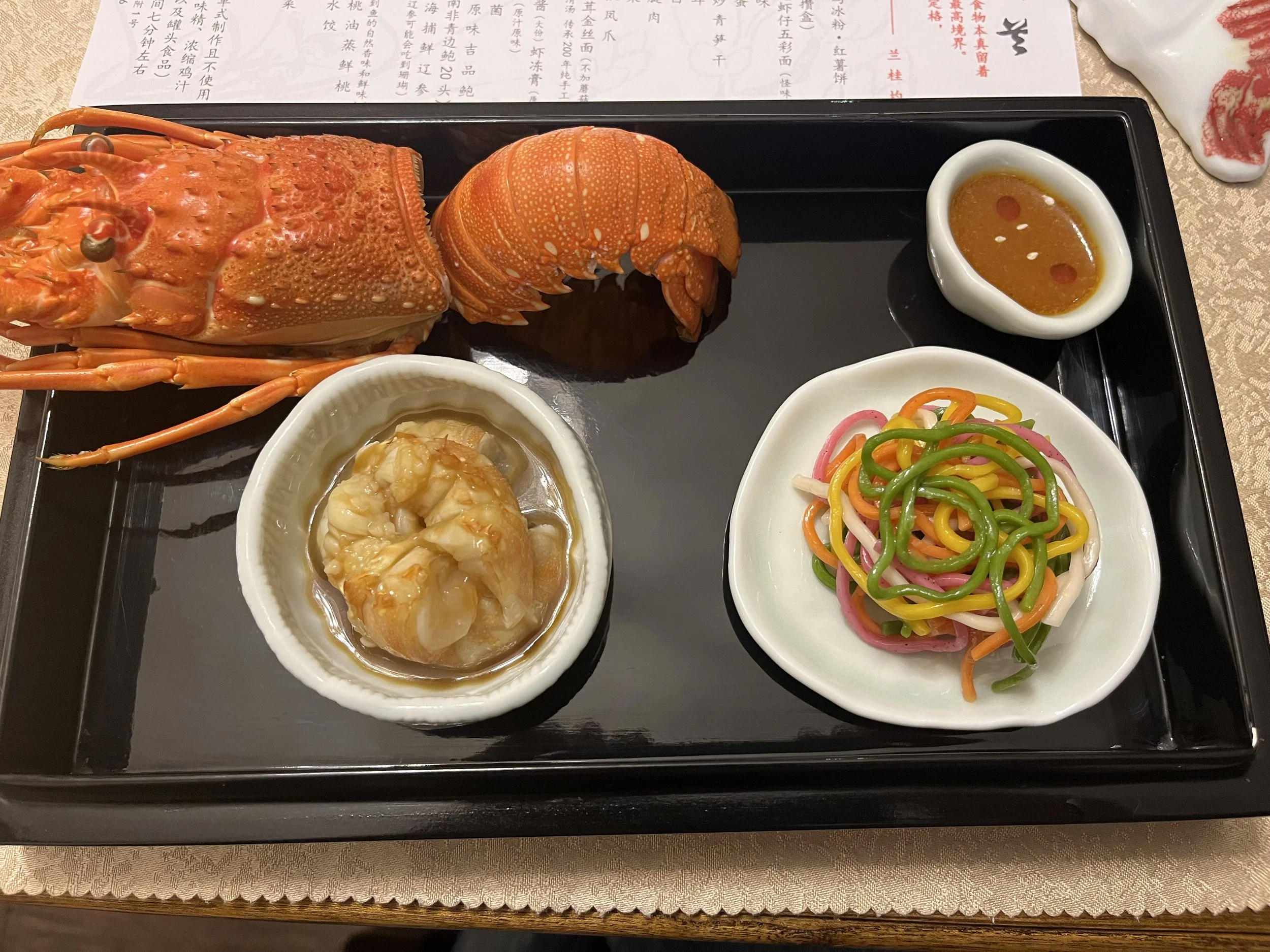
The first dish already impressed me, in particular, the noodle. The noodle is a famous street food here, translated to Strange Flavour Noodle. Here the flavour was just amazingly strange and pleasant: sour, sweet, chilli, numbing (a flavour is popular in Sichuan, mainly coming from Sichuan pepper that numbs your tongue). In fact, those flavours came together without any layer. The chaotic taste was such a fun experience.
Strange Flavour Noodle (活捉宫保龙虾仔五彩面 怪味酱)
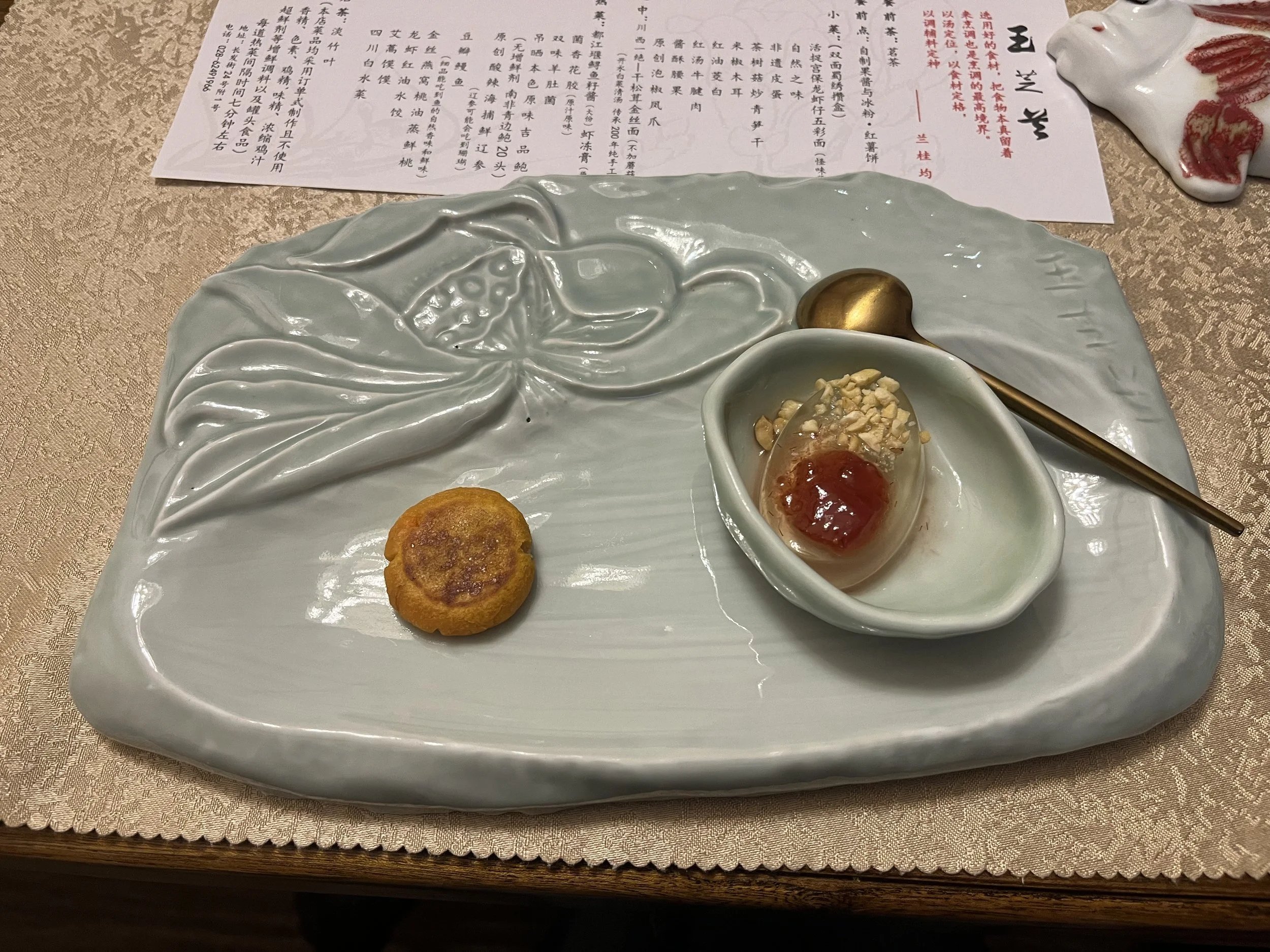
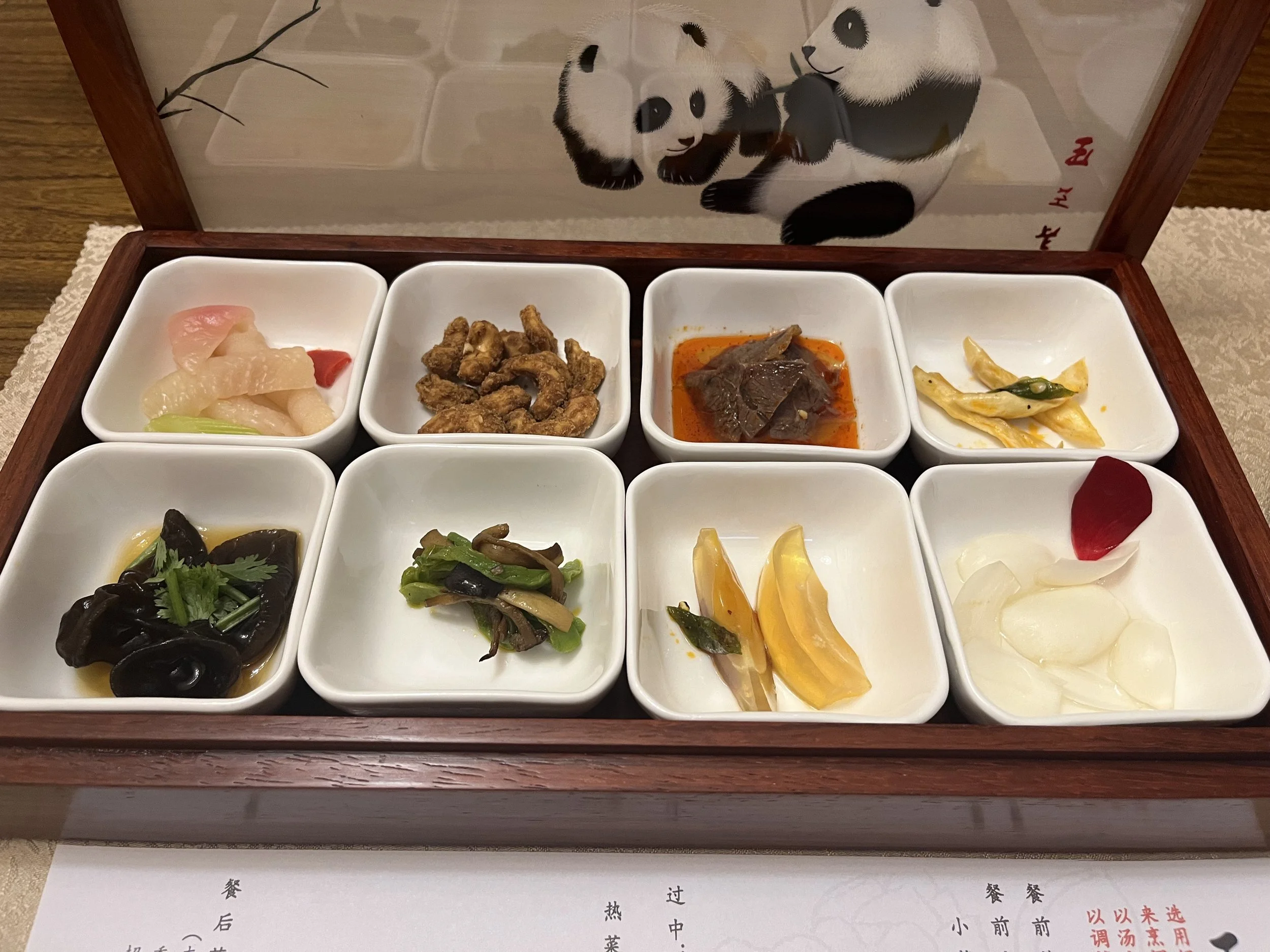
Then I got all the cold bites in a box. Although no dish or small bite is very surprising, but they represented some aspects of Sichuan cuisine. I could see the chef plating all the bites from light and refreshing, bottom right, to strong flavour and texture, top left. Besides, the Panda always makes things cute.
Canapés box (凉菜盒)
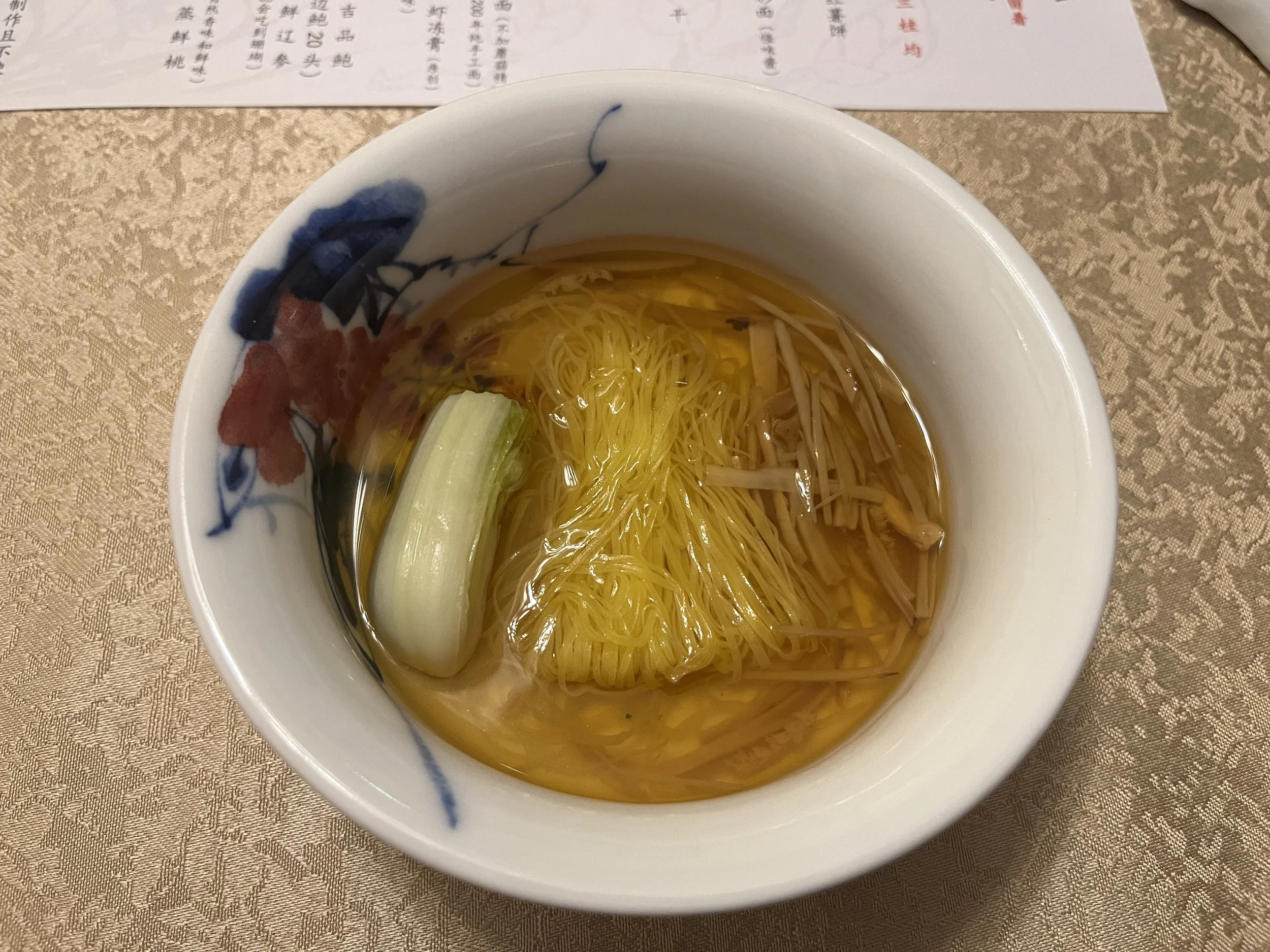
Most hot dishes here are soup based by design. I think it is clever because it is difficult to make a “posh” stir fry. The first one is a soup noodle. Noodle was home made. The soup looked very clear, but it was probably concentrated from mix of bone and muscle of chicken, duck and pork, and also dry scallop. This type of soup originally comes from a famous Sichuan dish called 开水白菜, Cabbage in “boiled water”. It was an explosion of umami.
Thin noodle (干松茸金丝面)
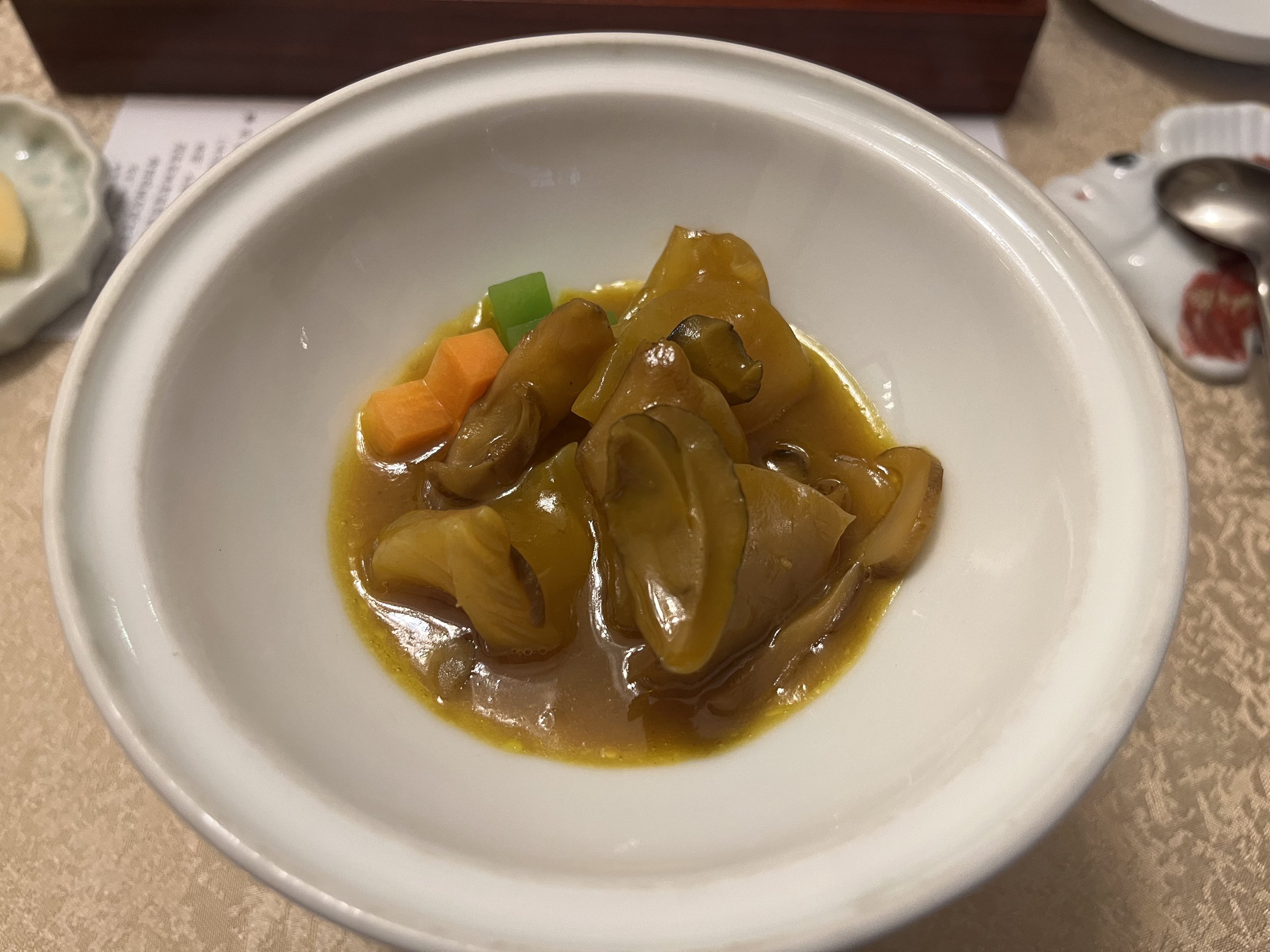
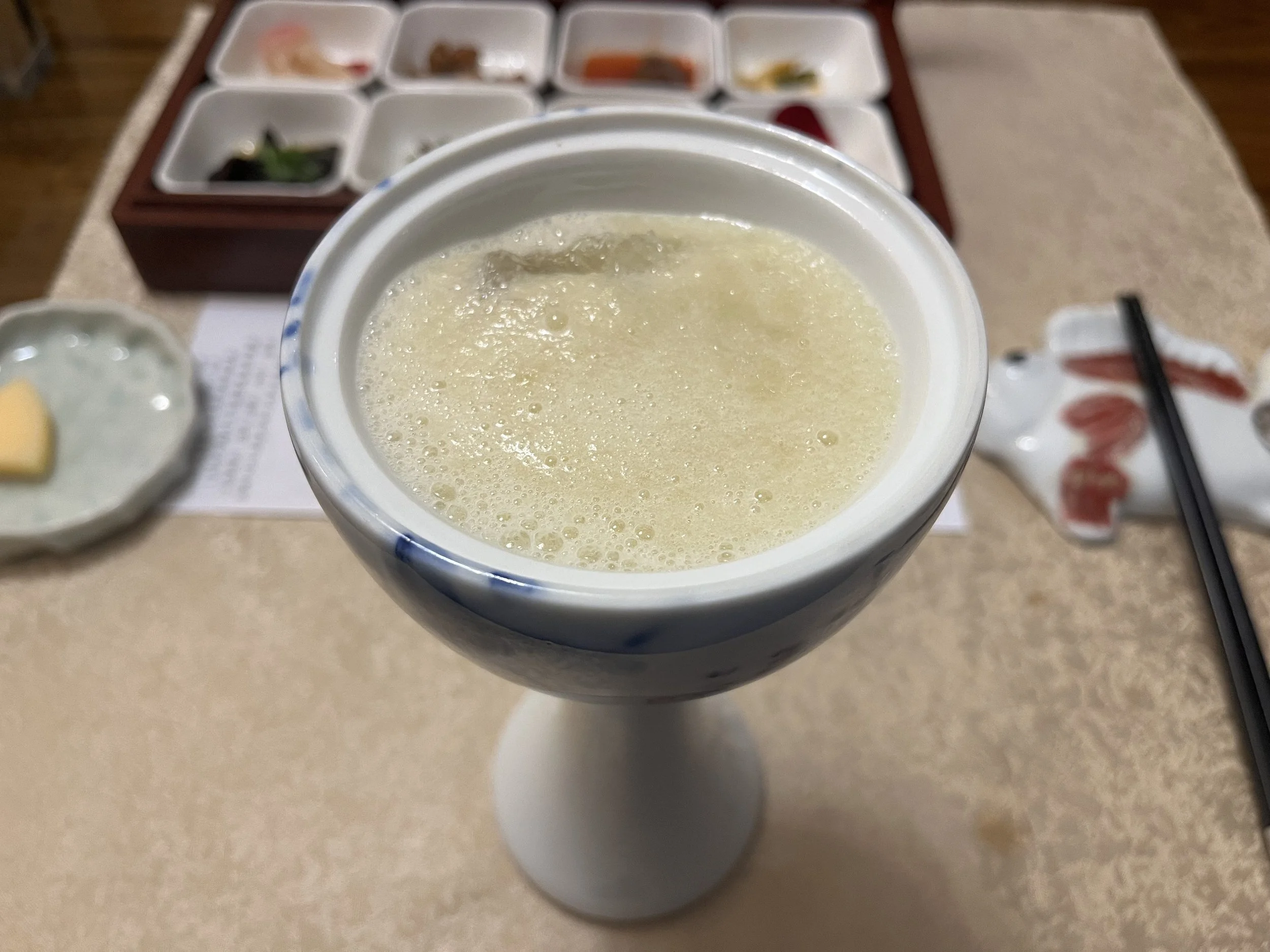
The next soup dish was fish maw (花胶) with mushroom. The soup was very “thick”. My lips were literally glued together on the soup. The flavour follows the entire trend of this set, a pack of umami. Although the fish maw has similar texture to mushroom, but the former was chewier while the latter absorbed more juice.
Fish maw (菌香花胶)
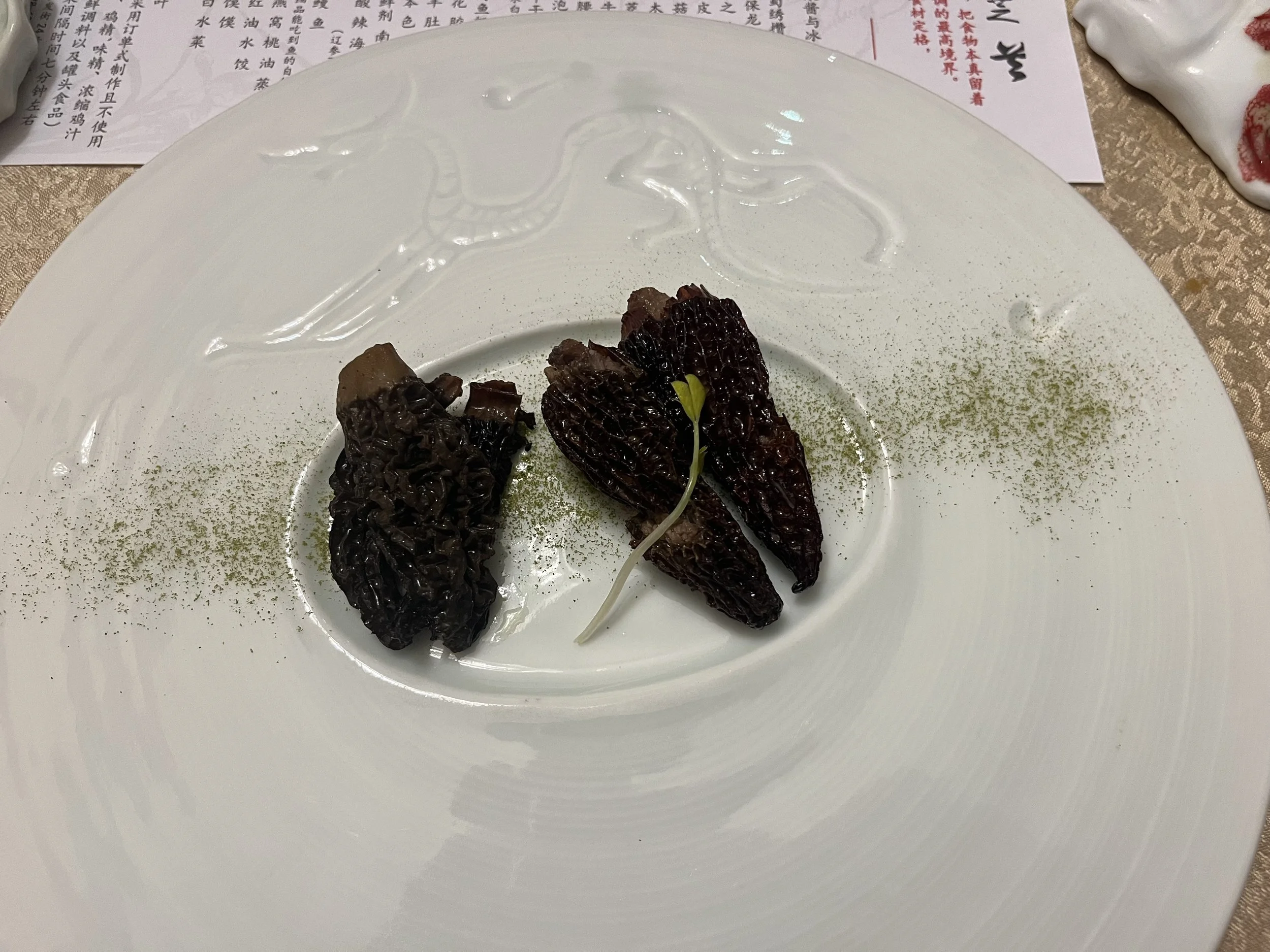
The next dish was Morchella, a type of mushroom or fungi, cooked in two styles: fry and steam. This is the first non-soup dish. It focused on the earthy flavour with a drizzle of Sichuan pepper powder. The fry part provided sharper flavour because of oil, while the steam part gave more natural and soil flavouring. The overall seasoning freshened my mouth immediately from previous two umami-centric soups.
Morchella (双味羊肚菌)
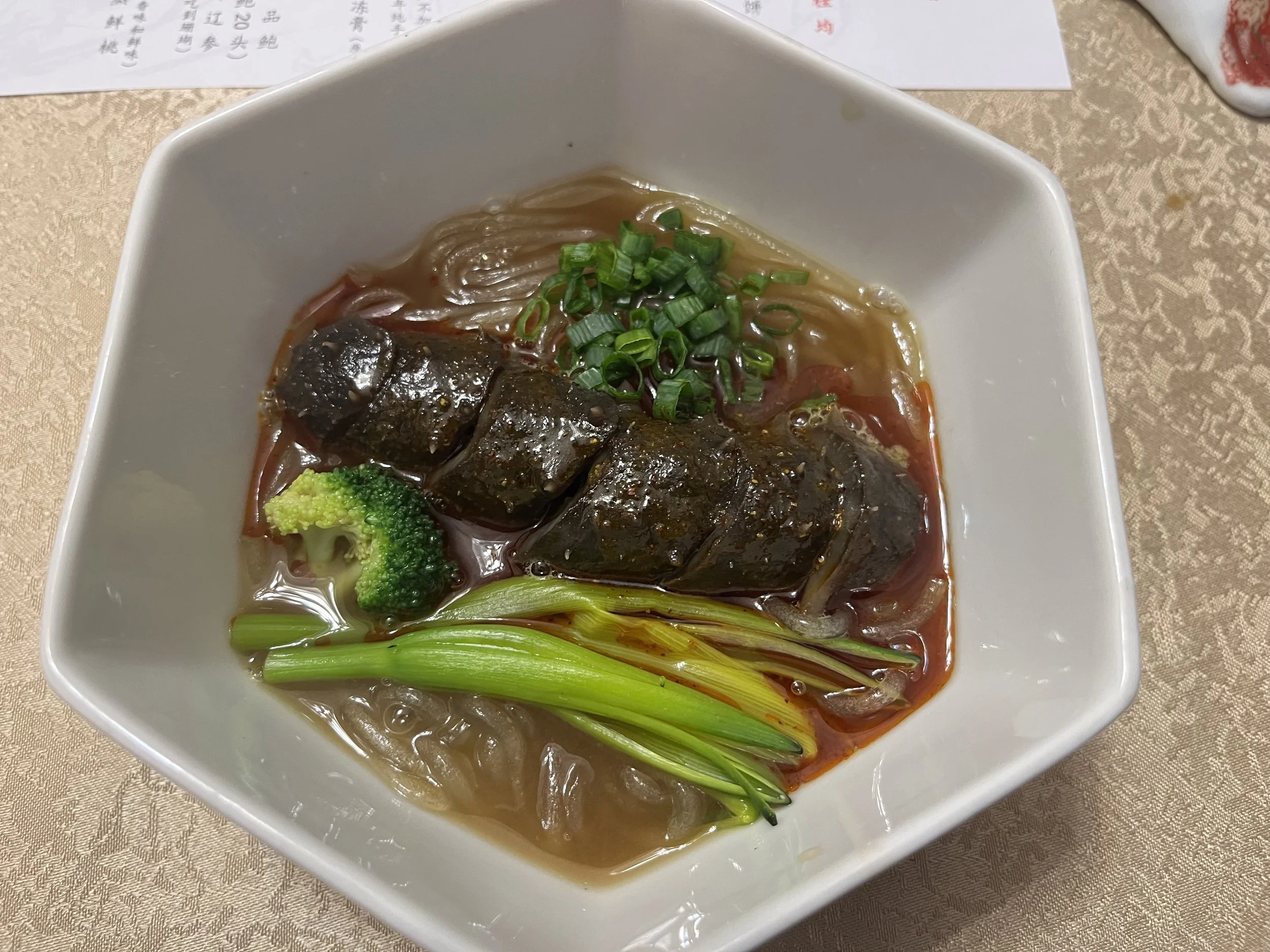
After this small interval, we were back to soup-based dish again. One dish I really like is Hot and Sour Noodles Topping with Sea Cucumber. Chilli and sour here noodles referred the flavour of the soup, but more importantly, a famous street food in Sichuan: noodles made from sweet potato starch in soup. The chef decided to pair the traditional street dish with Sea Cucumber, a type of seafood popular in China that is often seen in high-end soup dishes. The interesting bit here is the flavour. It is common that strong seasoning such as spicy, chill and sour will ruin the seafood, however, the chef balance everything in an extraordinary way. I could taste everyday life, having a cheap noodle soup from the street, and in the same time enjoy the sophistic seafood.
Hot and Sour Noodles (酸辣海捕鲜辽参)
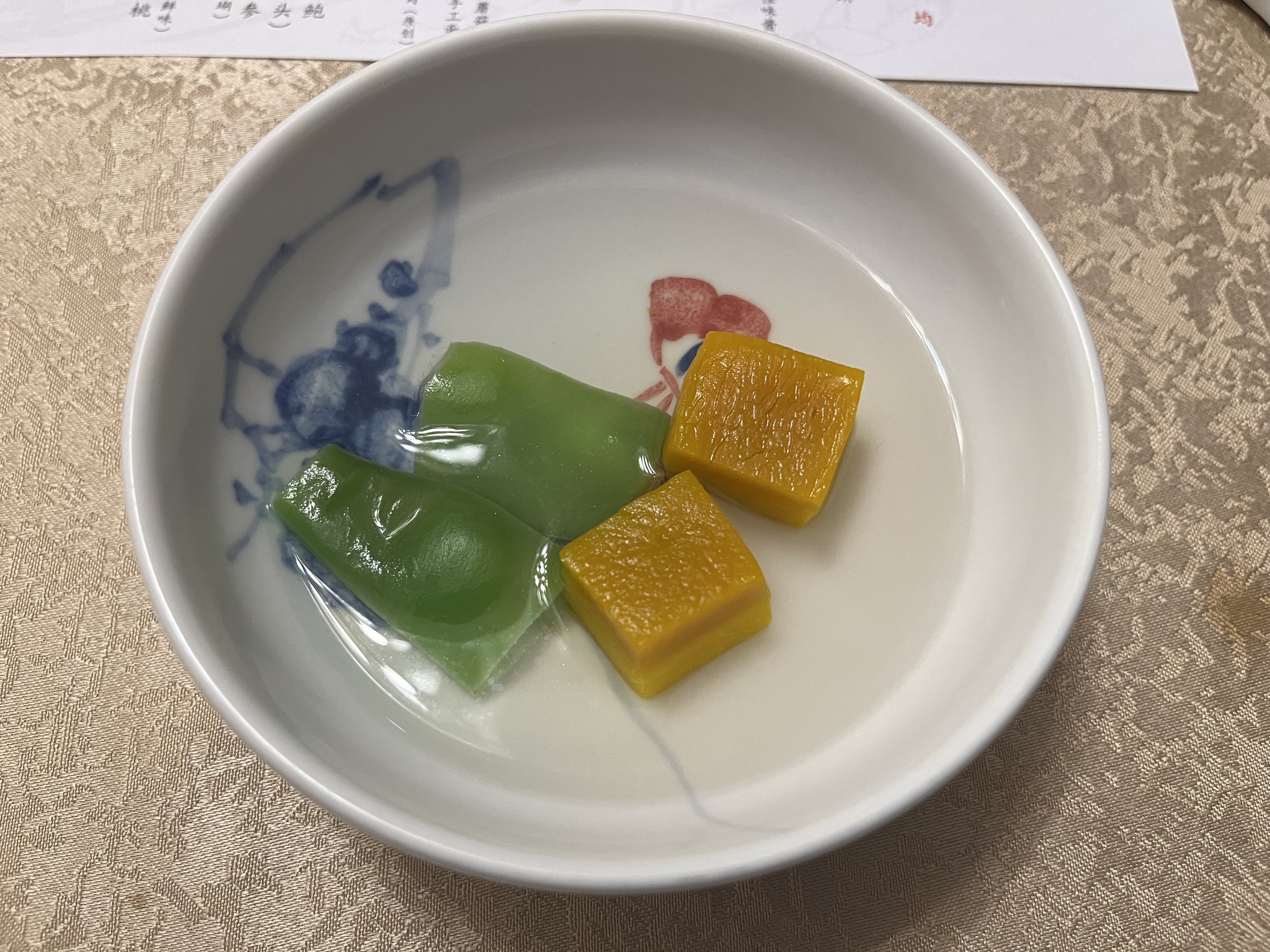
After this soup, I got another non-soup fish dishes and then the only relatively sweet dish. It was Edible Bird’s Nest with Peach, that many Chinese believe good for the health. The Nest basically was tasted nothing but provided some chewy texture. The peach is fun and subtle, as it is not large amount, first of all, and not all sweet but a mix of bitter too.
Edible Bird’s Nest with Peach (金丝燕窝桃油蒸鲜桃)
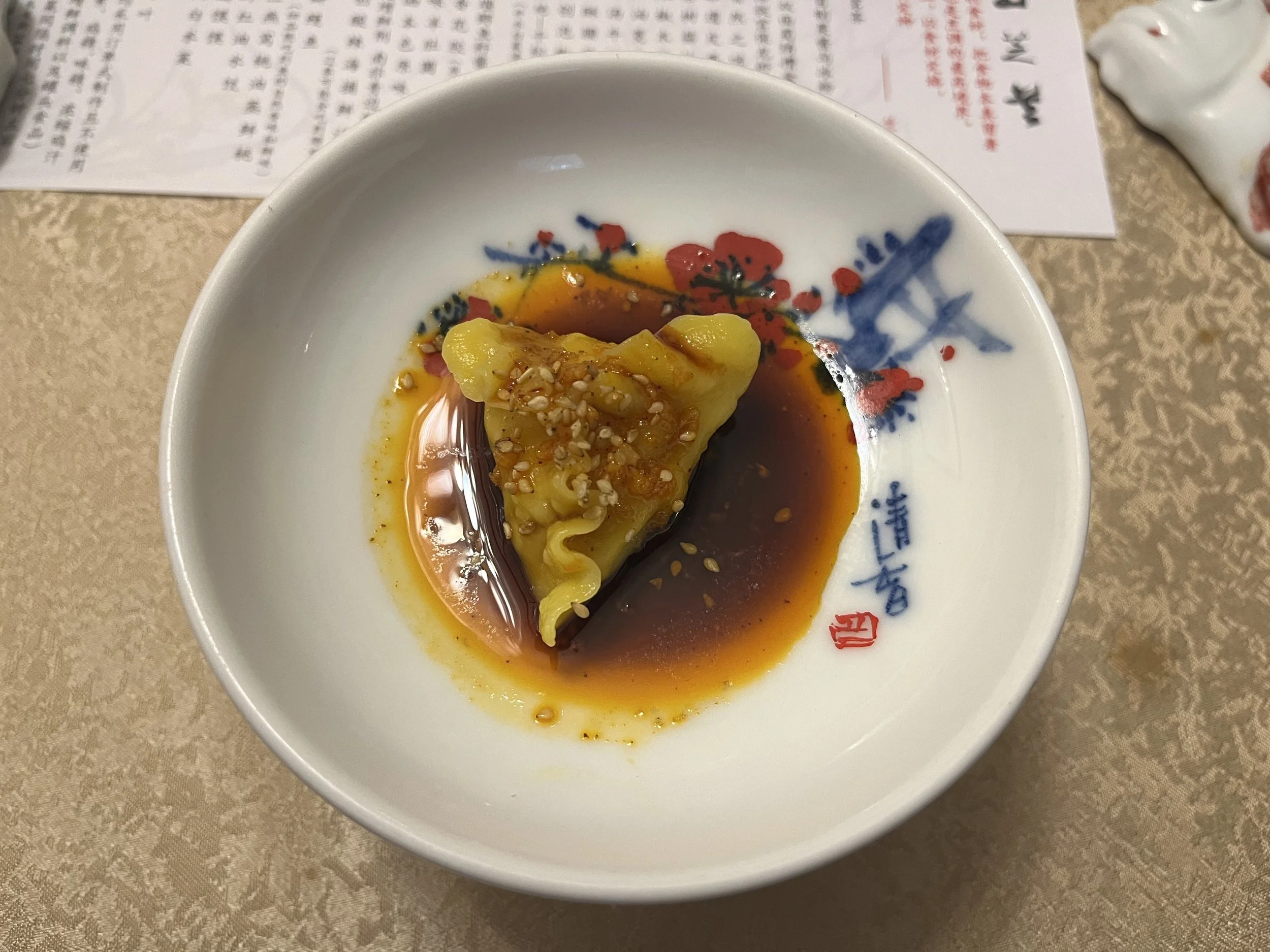
At this point, I definitely not expected the immediate next dish back to spicy and chilli, a lobster dumpling. In fact, dumpling is often counted as Dim Sum, i.e., 点心, or small snack (before or after meals). Therefore, it makes sense by the end of the set I get dumpling. The strong seasoning here contrasts the previous mild and sweet seasoning very well and make both dishes well-thought.
Lobster dumpling (龙虾红油水饺)
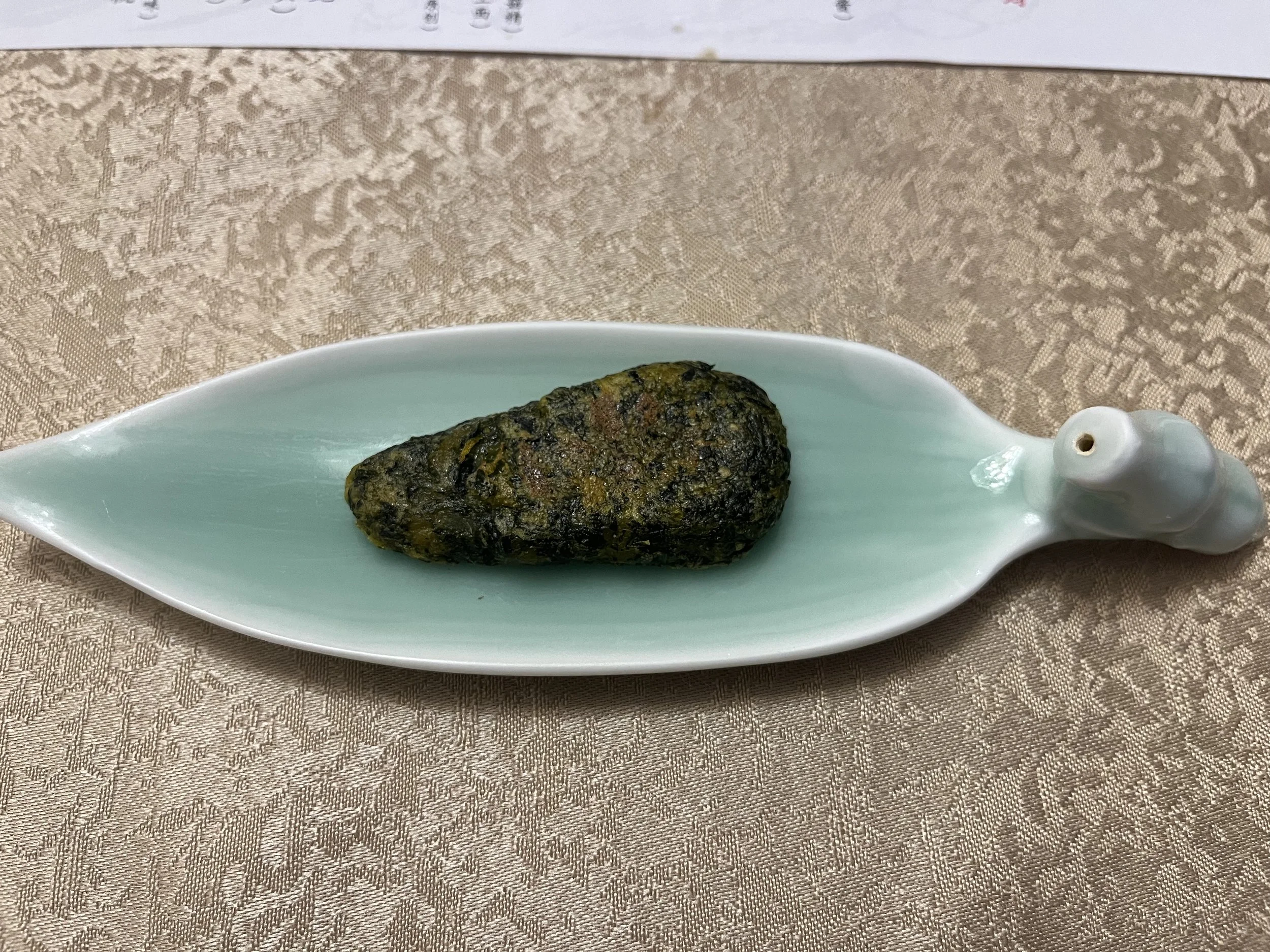
The last dish was a Chinese Mugwort Cake. Chinese mugwort is leaves with unique smell and taste, and every Chinese recognise it. The cake was a soft cake, probably made from a mix of flour and rice. In fact, such cake, in various of flavour, e.g., plain and pumpkin, is a very common dish for by the end of a dining out.
Mugwort Cake (艾蒿馍馍)
This entire set is just phenomenal, a well-thought set with a great understanding of the local food culture and also of high-end dining. I wish more restaurants and chefs like this emerging in China! I have to say, it was a really good day, probably in my life. I found this amazing restaurant that can really represent Chinese food and also, I met a guy in the evening, (Hello, Mr. Crab!), whom I felt a crush on, and I simply could not be rational with. While for the latter, it will probably be another long story, either good or bad. Anyway, Yu Zhi Lan is f**k amazing!
🐼 Score: 5/5